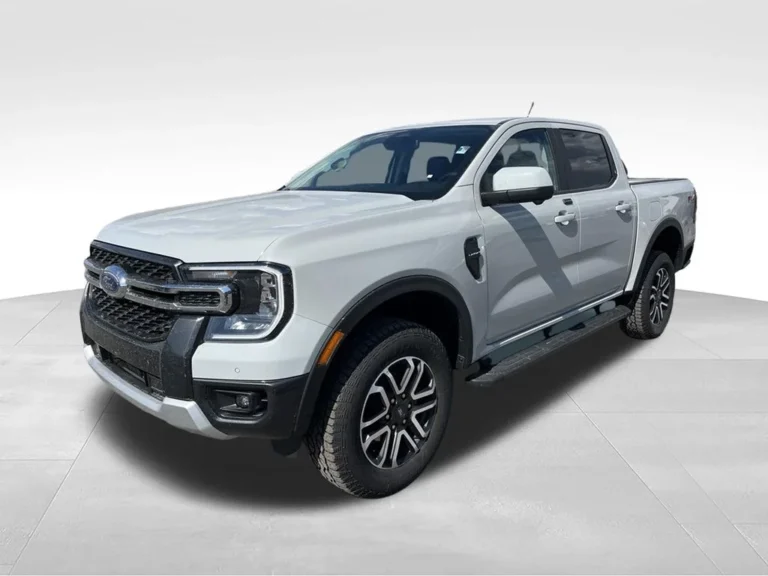






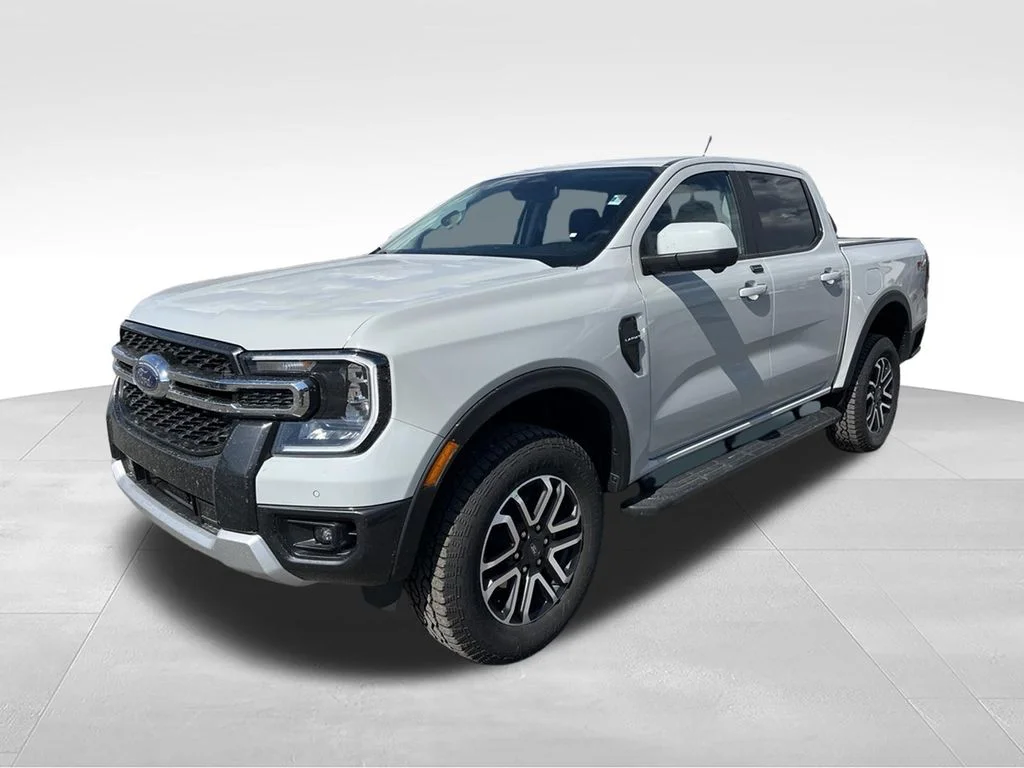
A tight budget can still support a sensible vehicle choice. Used vehicles give buyers more room to compare practical details. Age, mileage, service records, and condition all deserve attention. Each factor reveals something different about ownership costs and daily use. For broader vehicle research, https://www.mikecalvertfordofhouston.com/ can offer another place to review available choices. Careful comparison helps connect price with actual value.
Used Vehicles Create More Budget Room
A pre-owned vehicle can leave funds available elsewhere. That remaining money may cover registration, insurance, or future repairs. Price alone should not guide the final choice. Condition gives useful context when two vehicles have similar prices. Service records add another layer to that comparison.
- Lower pricing can leave room for ownership costs.
- Maintenance records reveal earlier care patterns.
- Mileage gives useful context about previous usage.
- Vehicle condition helps explain asking prices.
Mileage Tells Part Of The Story
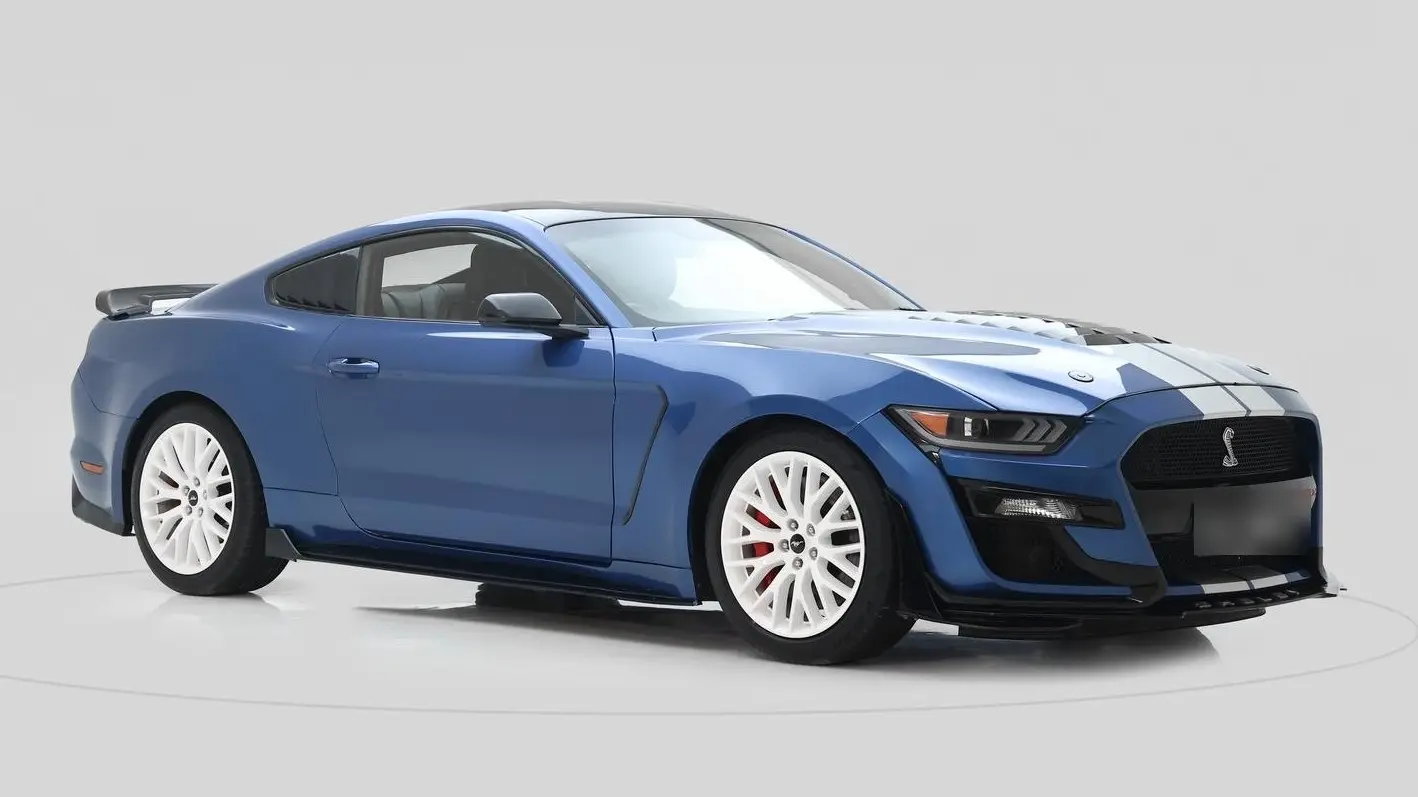
Mileage matters because it reflects accumulated vehicle use. Still, the number needs context before drawing conclusions. A vehicle with higher mileage may have consistent servicing. Another with fewer miles could need closer checking. Driving patterns can also influence wear across different components.
Service Records Reveal Previous Care
Maintenance history can explain what ownership looked like before purchase. Regular servicing may show attention to important mechanical needs. Records can also identify replaced tires, brakes, batteries, or other parts. Such details help buyers understand potential expenses before choosing a vehicle.
A buyer reviewing options through https://www.mikecalvertfordofhouston.com/ can apply the same careful approach. Looking beyond the asking price creates a clearer picture. Previous upkeep becomes useful evidence during that review.
Which Features Support Everyday Driving?
Useful equipment depends on how the vehicle will serve. A commuter may value simple controls and efficient operation. A household could need flexible seating or extra storage. Safety features can also matter during regular journeys. Paying for unused equipment, however, may stretch the budget.
- Check seating needs before choosing vehicle size.
- Review storage space for regular carrying needs.
- Test controls before completing any purchase.
- Consider features used during normal driving.
Inspection Findings Deserve Close Attention
A visual check can reveal useful clues quickly. Uneven tire wear may point toward alignment concerns. Dashboard warnings can signal issues needing further investigation. Fluid marks may also deserve closer attention. A professional inspection can provide another informed view before purchase.
- Examine tires for uneven tread wear.
- Check lights and dashboard warning signals.
- Look around visible areas for fluid marks.
- Test basic controls during inspection.
Ownership Costs Shape The Real Budget
The purchase amount represents only one financial factor. Fuel use can affect spending throughout regular ownership. Insurance costs may vary with vehicle type and usage. Maintenance needs can also differ between individual vehicles. Therefore, buyers benefit from comparing the complete ownership picture.
Consider two vehicles carrying similar price tags. One may have stronger records and healthier tires. The other might require immediate replacement work after purchase. That difference can change the true cost substantially. A sensible budget therefore considers condition alongside purchase price.
FAQs
What should buyers inspect before choosing a used vehicle?
Buyers should review mileage, maintenance records, visible condition, equipment, tires, and inspection findings before purchase.
Does lower mileage guarantee a better vehicle choice?
No. Maintenance history and current condition can provide stronger clues about expected ownership costs.
Why do service records matter during vehicle shopping?
Records can show previous maintenance and reveal repairs already completed before the next owner takes over.
Should buyers consider expenses beyond the purchase price?
Yes. Fuel, insurance, registration, maintenance, and repairs can all affect the actual ownership budget.