



Understanding the Connection Between Body Clocks and Oral Health
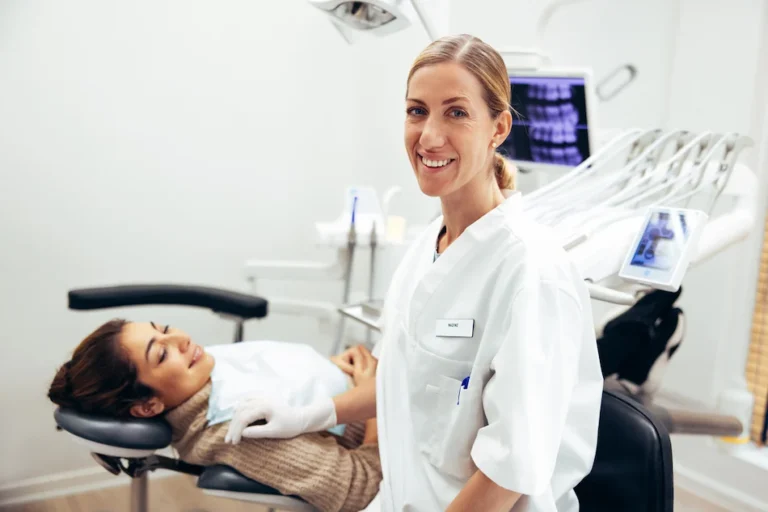
When patients visit a dentist Port Macquarie or elsewhere, they typically focus on the treatment itself rather than the timing. However, research into molecular clocks in oral medicine suggests that scheduling appointments in harmony with natural biological rhythms may significantly influence treatment success and patient comfort.
The human body operates on a sophisticated internal timing system that influences nearly every physiological process, including those occurring within the oral cavity. Recent scientific investigations have revealed that dental health and treatment outcomes are far more closely linked to circadian rhythms than previously understood. This emerging field of chronodentistry examines how the body’s natural 24-hour cycles affect everything from pain perception to healing rates following dental procedures.
The Science Behind Circadian Rhythms and Dental Health
Circadian rhythms govern numerous bodily functions through complex molecular mechanisms. Within the oral environment, these biological clocks regulate saliva production, immune responses, and cellular regeneration. The mouth experiences distinct changes throughout the day, with saliva flow rates varying considerably between morning and evening hours. This variation directly impacts the oral microbiome and the mouth’s natural defence mechanisms against bacterial growth.
Pain sensitivity also fluctuates according to circadian patterns. Studies have demonstrated that individuals experience varying levels of discomfort depending on the time of day, with pain thresholds typically higher during certain hours. This phenomenon has profound implications for dental procedures, particularly those involving local anaesthesia or post-operative recovery periods.
Cellular Activity and Healing Processes
The body’s repair mechanisms follow circadian patterns, with cellular regeneration occurring at different rates throughout the day. Tissues in the oral cavity, including gums and bone, undergo continuous renewal processes that are heavily influenced by these biological rhythms. Understanding these patterns allows for optimised treatment timing that may enhance healing outcomes and reduce recovery periods following dental interventions.
Practical Applications in Modern Dental Practice
Forward-thinking dental practices are beginning to incorporate chronobiological principles into their treatment protocols. This approach involves considering the optimal timing for various procedures based on circadian fluctuations in physiological responses. For instance, research into circadian influences on dental outcomes has identified specific time windows that may be more favourable for certain treatments.
Scheduling Considerations for Different Procedures
Different dental procedures may benefit from strategic scheduling aligned with circadian patterns. Restorative work, surgical interventions, and even routine cleanings could potentially yield improved outcomes when timed appropriately. The body’s inflammatory response, crucial for healing, follows predictable daily patterns that dental professionals can leverage to support patient recovery and comfort.
Anaesthetic effectiveness may also vary throughout the day, influenced by circadian changes in blood flow and metabolic activity. By understanding these variations, dental practitioners can better anticipate patient responses and adjust treatment approaches accordingly. This personalised timing strategy represents a shift towards more individualised care that respects the body’s natural rhythms.
Patient-Specific Factors and Chronotype Considerations
Not everyone operates on identical circadian schedules. Individual chronotypes—whether someone is naturally a morning person or evening person—play a significant role in determining optimal treatment times. These genetic predispositions affect when individuals experience peak alertness, pain tolerance, and healing capacity. Advanced dental practices may begin assessing patient chronotypes to further refine appointment scheduling and improve outcomes.
Additionally, understanding how lifestyle factors such as shift work or irregular sleep patterns disrupt circadian alignment can help dental professionals provide more tailored advice. Patients with disrupted circadian rhythms may require modified treatment approaches or additional support during recovery periods. The role of molecular clocks in oral health extends beyond simple timing to encompass broader lifestyle considerations.
Looking Towards the Future of Dental Care
The integration of circadian science into dental practice represents an exciting frontier in oral healthcare. As research continues to unveil the intricate connections between biological rhythms and dental treatment outcomes, patients may benefit from increasingly sophisticated approaches to care. This evolution in understanding encourages both practitioners and patients to consider the temporal dimension of health alongside traditional treatment modalities.
The implications extend beyond individual appointments to encompass long-term oral health maintenance. By aligning daily oral hygiene routines with circadian patterns and scheduling professional care at optimal times, patients may experience improved outcomes and enhanced overall wellbeing. This holistic approach acknowledges that successful dental care involves working with the body’s natural rhythms rather than against them, ultimately supporting better health outcomes for all.
Any surgical or invasive procedure carries risks. Before proceeding you should seek a second opinion from an appropriately qualified health practitioner.